JAPAN
JAPAN
Land of Cherry Blossoms
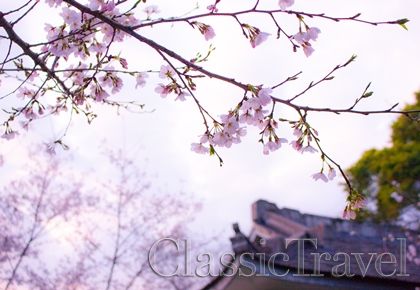
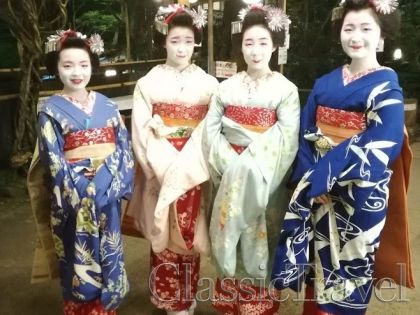
Japan is famous for many attractions, but perhaps the most renowned are its cherry blossoms—featuring nearly 60 different varieties. To fully appreciate this spectacle, however, one must visit in April—and that is exactly when we will be there. An incredible, unforgettable display of natural beauty awaits us. We will visit major metropolises, traveling between them on high-speed bullet trains, and explore a significant chapter of Japanese history dating back to the era of the 13th-century shoguns. We will also learn about the history of geishas and their role in modern times. Finally, we will gaze upon the symbol of Japan: the majestic Mount Fuji. Join us—space is limited.
Day 1. 03/29 (Mon): Departure JFK to Tokyo
Meet at JFK Airport at 10:30 AM on Monday. Departure from .JFK on ANA (All Nippon Airways) #109 at 1:30 PM..
Day 2. 03/30 (Tue): Arrive Tokyo
Arrive Tokyo Haneda International Airport at 4:55pm. Upon arrival, meet our English-speaking guide at the arrival lobby. Private transfer to the hotel in Tokyo. After check in Daiwa Roynett Hotel short time to relax for a welcome dinner. (D)
Day 3. 03/31 (Wed): Tokyo City Tour
After breakfast at 9:00am, meet your guide at your hotel and begin sightseeing tour of Tokyo by a private bus.
- Chidoriga-fuchi Strolling, A 700-meter-long lush green walkway along the moat of the Imperial Palace, and one of the top spots in Tokyo for viewing cherry blossoms, visit Chidoriga-fuchi Moat between late March and early April for pastel pink views.
- East Garden The current Imperial Palace is located on the former site of Edo Castle, a large park area surrounded by moats and massive stone walls in the center of Tokyo, a short walk from Tokyo Station. It is the residence of Japan's Imperial Family
- Sushi making: Create a new signature dish in this sushi-making experience with a nationally accredited instructor. Experience hands-on training and learn how to create beautifully-shaped sushi - typically inherently difficult to make - using simple utensils in just a few hours.
- Meiji Shrine is a shrine dedicated to the deified spirits of Emperor Meiji and his consort, Empress Shoken. Located just beside the JR Yamanote Line's busy Harajuku Station, Meiji Shrine and the adjacent Yoyogi Park make up a large forested area within the densely built-up city and offer walking paths for a relaxing stroll away from the concrete.
- Shinjuku Gyoen is one of Tokyo's largest and most popular parks. Located a short walk from Shinjuku Station, the park's spacious lawns, meandering walking paths and tranquil scenery provide a relaxing escape from the busy urban center around it. In spring Shinjuku Gyoen becomes one of the best places in the city to see cherry blossoms.
After all day of activity will return to our hotel for overnight. Dinner on your own. (B, L)
Day 4. 04/01 (Thu): Tokyo City Tour
After breakfast at 9:00am, meet your guide at the hotel and begin sightseeing tour of Tokyo by a private bus.
- Asakusa Nakamise Street The shops of Nakamise sell a great variety of specialty street foods and snacks; traditional arts and crafts; clothes and accessories, and all kinds of toys, t-shirts, parasols, dolls, and lanterns.
- Tokyo’s oldest Geisha district and home to Sensoji Temple which is the city’s oldest Buddhist temple. The Sensoji streets around Sensoji feature many traditional shops that sell Japanese crafts and souvenirs and are a delight to wander through.
- Ueno Park is one of Tokyo's most popular and lively cherry blossom spots with more than 1000 cherry trees lining its central pathway. The cherry blossoms are usually in bloom during late March and early April and attract large numbers of hanami parties.
After half day city tour we will return to our hotel at 1:00pm. Free afternoon for your own sightings of the Tokyo.
Lunch and dinner on your own. Overnight at your hotel. (B)
Day 5. 04/02 (Fri): Tokyo Free day
After breakfast you will have a free day for your own activities, shopping or optional tours.
Lunch and dinner on your own. Overnight at your hotel. (B)
Day 6. 04/03 (Sat): Tokyo - Kyoto
After breakfast you will check out hotel. At 10:45am, please drop off your large luggage at the bell desk. We will ship your large luggage separately to the hotel in the next destination. Please keep 1 night 2 days clothing in the carry-on for a trip to Kyoto. You will expect to receive your luggage on day 7.
At 11:00am your local guide will take you by a private bus to JR. Tokyo train station. We will depart Tokyo at 12:00 noon on Nozomi 251 bullet train to Kyoto station where we will arrive at 2:15pm. We will travel in First Class Green Car Class Seat.
During this two hour trip will have time to buy bento box and have lunch on the bullet train.
Upon arrival, you will be transferred to the hotel in Kyoto by private bus. After check inn Moxy Kyoto Marriot Hotel you will have a free afternoon. Overnight. (B)
Day 7. 04/04 (Sun): Kyoto City Tour with Cherry Blossom Viewing
After breakfast meet your guide at 9:00am. We will start full-day Arashiyama Tour.
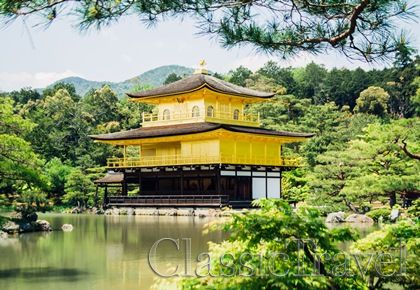
- Kinkakuji Temple Kinkakuji) is a Zen temple in northern Kyoto whose top two floors are completely covered in gold leaf. Formally known as Rokuon-ji, the temple was the retirement villa of the shogun Ashikaga Yoshimitsu, and according to his will it became a Zen temple of the Rinzai sect after his death in 1408.
- Cherry blossom at Hirano Shrine Since the Heian period, cherry trees at Hirano Shrine have been planted within the grounds as a symbol of enhanced vitality. Today, around 60 varieties and 400 trees bloom in splendor, with different kinds flowering one after another over Approx. one and a half months. Among them, the early-blooming “Sakigake Sakura” originated at this shrine and is said to mark the start of cherry blossom viewing in the capital when it begins to bloom.
After lunch in local restaurant, we continue visit:
- Arashiyama. Pass through the avenue that is filled with local restaurants, cafés, and souvenir shops and you might be lucky to spot some local tourists in their yukata, the summer kimono.
- Tenryuji Temple, which is ranked first among the city’s Zen temples and is recognized as a World Heritage Site. Built in 1339 by the ruling shogun Asahikaga Takauji, this temple is the head of a school within Rinzai Zen Buddhism.
- Walk to the Togetsu-kyo Bridge, a popular spot among the locals and particularly a nice sight in autumn, when the surrounding woods are displaying their nicest colors. Next stop is a stroll in the most famous spot in Arashiyama, the bamboo grove. High bamboo trees are lined up a as far as you can see and a convenient paved road that cuts right through the grove is perfect for a nice walk.
We will be back to our hotel at 6:00pm. Dinner on your own. (B, L)
Day 8. 04/05 (Mon): Kyoto Free day
After breakfast you will have a free day for your own activities or optional tours.
Lunch and dinner on your own. Overnight at your hotel. (B)
Day 9. 04/06 (Tue): Nara Tour
After breakfast at 9:00am depart hotel for a full a day trip to Nara.
- Gripped Sumi Experience and Calligraphy Experience in Nara Let’s feel the true texture, softness, and warmth of raw Nara Sumi ink in their very own hand. The stick of Nara Sumi in the palm of your hand is still fresh and raw, simultaneously solid, soft, and pliable. It forms to your hand and fingers as you squeeze it, a kind of self-portrait of you and your hand on this day. Hidden in this ink are 1,400 years of thoughts and expressions. It is as if, just for a brief moment, you and your hand are reaching back through all those centuries to when Nara was the capital of Japan, and this ink was as fresh on this land as it is in your hand.
After lunch in local restaurant, we will continue to visit these places:
- Nara Park The vast area covers 660 hectares and is renowned for its free-roaming deer and world-famous temples.
- Interacting with Deer Feeding the deer is an attraction in itself and special crackers are on sale all around the park. Deer snack will be provided by the guide.
- Todaiji is one of Japan's most famous and historically significant temples and a landmark of Nara. The temple was constructed in 752 as the head temple of all provincial Buddhist temples of Japan and grew so powerful that the capital was moved away from Nara in 784 in order to lower the temple's influence on government affairs.nara.
We will arrive in our hotel Osaka Excel Tokyu at 6:00pm. Dinner on your own. (B, L)
Day 10. 04/07 (Wed): Osaka City Tour
After breakfast you will depart at 9:00am for a full day trip to Nara.
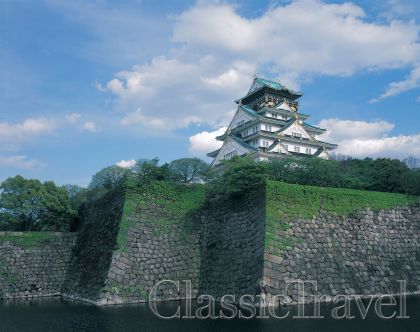
- Osaka Castle construction of this castle started in 1583 on the former site of the Ishiyama Honganji Temple, which had been destroyed by Oda Nobunaga thirteen years earlier. Toyotomi Hideyoshi intended the castle to become the center of a new, unified Japan under Toyotomi rule. It was the largest castle at the time.
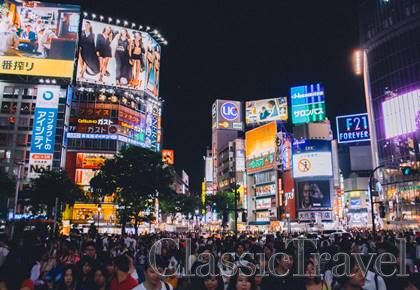
- Shinsaibashi & Namba One of Osaka’s most popular tourist destinations, this street runs parallel to the Dotonbori canal. It is a popular shopping and entertainment district and is also known as a food destination.
At 1:00pm we will end our tour at Shinsaibashi & Namba. From here we will walk 15 minutes on the Shinsaibashi Street to the Osaka Excel Tokyu Hotel. Lunch and dinner on your own. (B)
Day 11. 04/08 (Thu): Osaka Free day
After breakfast you will have a free day for your own activities or optional tours. Lunch and dinner on your own. Overnight at your hotel. (B)
Day 12. 04/09 (Fri): Osaka – Hakone
After breakfast you will check out hotel at 9:05am, please drop off your large luggage at the bell desk. We will ship your large luggage separately to the hotel in the next destination. Please keep 1 night 2 days clothing in the carry-on for a trip to Kyoto. You will expect to receive your luggage on day 13.
At 9:15am your local guide will take you by a private bus to the JR Shin-Osaka train station. We will depart Osaka at 10:18am on Hikari 646 bullet train to JR Odwara Station and arrive at 12:38pm. We will travel in First Class Green Car Class Seat. Upon arrival, you will meet your local guide at the arrival platform and start the tour in Hakone by a private bus.
We will visit:
- Owakudani Valley is the area around a crater created during the last eruption of Mount Hakone some 3000 years ago. Today, much of the area is an active volcanic zone where sulfurous fumes, hot springs and hot rivers can be experienced. Additionally, Owakudani has good views of Mount Fuji on clear days. Here we will have a lunch. With Japanese culinary curiosity, promises 7 extra years of life.
- The Hakone Ropeway is part of the Hakone Round Course, a popular way to visit Hakone. The ropeway's gondolas depart every minute and fit around ten people each. Traveling the full length of the ropeway takes around 30 minutes. Along the journey, passengers can enjoy views of the active, sulfuric hot spring sources of the Owakudani Valley between Sounzan and Owakudani and of Lake Ashinoko and Mount Fuji between Owakudani and Togendai if visibility allows.
- Lake Ashi Cruise Lake Ashinoko (Ashinoko) was formed in the caldera of Mount Hakone after the volcano's last eruption 3000 years ago. Today, the lake with Mount Fuji in the background is the symbol of Hakone. The lake's shores are mostly undeveloped except for small towns in the east and north and a couple of lakeside resort hotels.
We will arrive our hotel Indigo Hakone Gora at 5:00pm. After short relaxation a western style dinner will be offered to you at 7:00pm. (B, L, D)
Day 13. 04/10 (Sat): Hakone - Tokyo
After breakfast free time. Check out our hotel and depart at 12:00 noon with our guide by a private bus to Tokyo. We will arrive around 2:30pm. Check inn our hotel Daiwa Roynett. Free afternoon. Farewell Dinner. (B, D)
Day 14. 04/11 (Sun): Departure Tokyo. Fly to JFK
After early breakfast depart hotel at 7:00am for transfer to Haneda Airport. Depart on ANA Airways #110 at 10:50am.
Abbreviations: B - Breakfast; L - Lunch; D - Dinner
Japan
Japan is a sovereign island nation in Eastern Asia. Located in the Pacific Ocean, it lies off the eastern coast of the Asia Mainland (east of China, Korea, Russia) and stretching from the Sea of Okhotsk in the north to the East China Sea and near Taiwan in the southwest.
The kanji that make up Japan's name mean "sun origin". 日 reads as ni or nichi means sun and 本 reads as hon, pon or ppon means based or origin. By the kanji which make up the Japan's name, Japan is often called with the famous ephitet as the "Land of the Rising Sun".
Japan is a stratovolcanic archipelago and consisting about 6,852 islands. The four largest are Honshu, Hokkaido, Kyushu and Shikoku, which make up about ninety-seven percent of Japan's land area and oftenly referred as home islands. The country is divided into 47 prefectures in eight regions. Hokkaido beings the northernnmost prefecture and Okinawa beings the southernmost one. The population of 127 million is the world's tenth largest. Japanese people make up 98.5% of Japan's total population. Approximately 9.1 million people live in the core city of Tokyo, the capital of Japan.
Archaeological research indicates that Japan was inhabited as early as the Upper Paleolithic period. The first written mention of Japan is in Chinese history texts from the 1st century AD. Influence from other regions, mainly China, followed by periods of isolation, particularly from Western Europe, has characterized Japan's history. From the 12th century until 1868, Japan was ruled by successive feudal military shoguns who ruled in the name of the Emperor.
Japan entered into a long period of isolation in the early 17th century, which was ended in 1853 when a United States fleet pressured Japan to open to the West. After nearly two decades of internal conflict and insurrection, the Imperial Court regained its political power in 1868 through the help of several clans from Chōshū and Satsuma, and the Empire of Japan was established. In the late 19th and early 20th centuries, victories in the First Sino-Japanese War, the Russo-Japanese War and World War I allowed Japan to expand its empire during a period of increasing militarism.
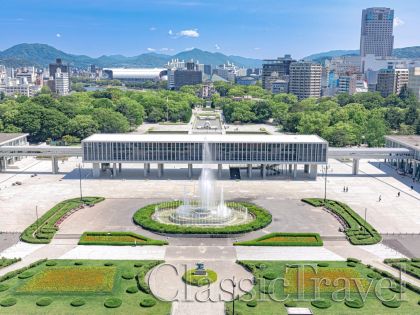
The Second Sino-Japanese War of 1937 expanded into part of World War II in 1941, which came to an end in 1945 following the atomic bombings of Hiroshima and Nagasaki and the surrender. Since adopting its revised constitution on May 3, 1947 in the occupied by the SCAP, Japan has maintained a unitary parliamentary constitutional monarchy with an Emperor and an elected legislature called the National Diet.
Japan is a member of the UN, the OECD, the G7, the G8, and the G20 and is considered a great power. The country has the world's third-largest economy by nominal GDP and the world's fourth-largest economy by purchasing power parity. It is also the world's fourth-largest exporter and fourth-largest importer. The country benefits from a highly skilled workforce and is among the most highly educated countries in the world with one of the highest percentages of its citizens holding a tertiary education degree.
Although Japan has officially renounced its right to declare war, it maintains a modern military with the world's eighth largest military budget, used for self-defense and peacekeeping roles. Japan is a developed country with a very high standard of living and Human Development Index whose population enjoys the highest life expectancy and the third lowest infant mortality in the world.
Tokyo
Tokyo, officially Tokyo Metropolis, is the capital of Japan and one of its 47 prefectures. The Greater Tokyo Area is the most populous metropolitan area in the world. It is the seat of the Emperor of Japan and the Japanese government. Tokyo is in the Kantō region on the southeastern side of the main island Honshu and includes the Izu Islands and Ogasawara Islands. Formerly known as Edo, it has been the de facto seat of government since 1603 when Shogun Tokugawa Ieyasu made the city his headquarters. It officially became the capital after Emperor Meiji moved his seat to the city from the old capital of Kyoto in 1868; at that time Edo was renamed Tokyo. Tokyo Metropolis was formed in 1943 from the merger of the former Tokyo Prefecture (東京府 Tōkyō-fu) and the city of Tokyo (東京市 Tōkyō-shi).
Tokyo is often referred to as a city, but is officially known and governed as a "metropolitan prefecture", which differs from and combines elements of a city and a prefecture, a characteristic unique to Tokyo. The Tokyo metropolitan government administers the 23 Special Wards of Tokyo (each governed as an individual city), which cover the area that was the City of Tokyo before it merged and became the metropolitan prefecture in 1943. The metropolitan government also administers 39 municipalities in the western part of the prefecture and the two outlying island chains. The population of the special wards is over 9 million people, with the total population of the prefecture exceeding 13 million. The prefecture is part of the world's most populous metropolitan area with upwards of 37.8 million people and the world's largest urban agglomeration economy. The city hosts 51 of the Fortune Global 500 companies, the highest number of any city in the world. Tokyo ranked third in the International Financial Centres Development IndexEdit. The city is also home to various television networks such as Fuji TV, Tokyo MX, TV Tokyo, TV Asahi, Nippon Television, NHK and the Tokyo Broadcasting System.
Tokyo ranked first in the Global Economic Power Index and fourth in the Global Cities Index. The city is considered an alpha+ world city – as listed by the GaWC's 2008 inventory – and in 2014, Tokyo was ranked first in the "Best overall experience" category of TripAdvisor's World City Survey (the city also ranked first in the following categories: "helpfulness of locals", "nightlife", "shopping", "local public transportation" and "cleanliness of streets"). In 2015, Tokyo was ranked as the 11th most expensive city for expatriates, according to the Mercer consulting firm, and also the world's 11th most expensive city, according to the Economist Intelligence Unit's cost-of-living survey. In 2015, Tokyo was named the Most Liveable City in the world by the magazine Monocle. The Michelin Guide has awarded Tokyo by far the most Michelin stars of any city in the world. Tokyo ranked first in the world in the Safe Cities Index. The 2016 edition of QS Best Student Cities ranked Tokyo as the 3rd-best city in the world to be a university student. Tokyo hosted the 1964 Summer Olympics, the 1979 G-7 summit, the 1986 G-7 summit, and the 1993 G-7 summit, and will host the 2020 Summer Olympics and the 2020 Summer Paralympics.
Mt. Fuji
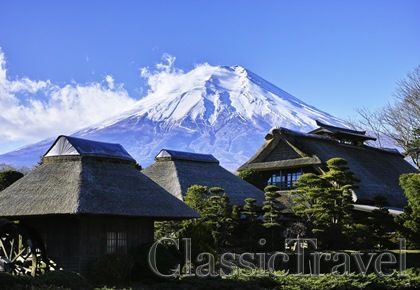
Mount Fuji, located on Honshu Island, is the highest mountain in Japan at 3,776.24 m (12,389 ft). An active stratovolcano that last erupted in 1707–08, Mount Fuji lies about 100 kilometres (60 mi) south-west of Tokyo, and can be seen from there on a clear day. Mount Fuji's exceptionally symmetrical cone, which is snow-capped several months a year, is a well-known symbol of Japan and it is frequently depicted in art and photographs, as well as visited by sightseers and climbers.
Mount Fuji is one of Japan's "Three Holy Mountains" along with Mount Tate and Mount Haku. It is also a Special Place of Scenic Beauty and one of Japan's Historic Sites. It was added to the World Heritage List as a Cultural Site on June 22, 2013. Per UNESCO, Mount Fuji has "inspired artists and poets and been the object of pilgrimage for centuries". UNESCO recognizes 25 sites of cultural interest within the Mt. Fuji locality. These 25 locations include the mountain itself, Fujisan.
In Shinto mythology, Kuninotokotachi is one of the two gods born from "something like a reed that arose from the soil" when the earth was chaotic. In the Nihon Shoki, he is the first of the first three divinities born after heaven and earth were born out of chaos, and is born from something looking like a reed-shoot growing between heaven and earth. He is known by mythology to reside on top of Mount Fuji (富士山).
Kyoto
Kyoto is a city located in the central part of the island of Honshu, Japan. It has a population close to 1.5 million. Formerly the Imperial capital of Japan for more than one thousand years, it is now the capital city of Kyoto Prefecture located in the Kansai region, as well as a major part of the Kyoto-Osaka-Kobe metropolitan area. Kyoto is also known as the thousand-year capital.
In Japanese, the city has been called Kyō (京), Miyako (都), or Kyō no Miyako (京の都). In the 11th century, the city was renamed Kyoto ("capital city"), after the Chinese word for capital city, jingdu (京都). After the city of Edo was renamed Tokyo (東京, meaning "Eastern Capital") in 1868, and the seat of the Emperor was transferred there, Kyoto was known for a short time as Saikyō (西京, meaning "Western Capital").
Obsolete spellings for the city's name include Kioto, Miaco and Meaco. Another term commonly used to refer to the city in the pre-modern period was Keishi (京師), meaning "metropolis" or "capital".
Nara
Nara is the capital city of Nara Prefecture located in the Kansai region of Japan. The city occupies the northern part of Nara Prefecture, bordering Kyoto Prefecture. Eight temples, shrines and ruins in Nara remain: specifically Tōdai-ji, Saidai-ji, Kōfuku-ji, Kasuga Shrine, Gangō-ji, Yakushi-ji, Tōshōdai-ji, and the Heijō Palace, together with Kasugayama Primeval Forest, collectively form "Historic Monuments of Ancient Nara", a UNESCO World Heritage Site.
Trip cost: $6,790 with RT flights from JFK
• per person in a 2-person room, min. 20 travelers
• Single supplemental payment: $1,590
Trip cost includes:
• Roundtrip non-stop flights JFK-Tokyo – JFK on ANA (All Nippon Airways)
• Accommodations in the 4* hotels.
• Meals as specified in the program
• All transfers and transportation on private bus with local English-speaking guide
• Services of group leader
Trip cost does not include:
• Services not mentioned in the itinerary
• Travel insurance
* Tip for local guides and drivers
Additional comments
• If you plan on taking part in this trip with a group of 10 or more friends/relatives and would need a connecting flight to reach the starting destination of the trip (JFK) there is the possibility of receiving group discounts on the connecting flight. Please contact as soon as possible if this is the case.
• In the event that there is an odd number of group participants, the person to last join the group will be required to buy a single supplement for the trip or, when possible, share a 3.person room.
• In the event that there are less than 20 participants for this trip 21 days before the trip date there will be an additional charge of maximum $100 per person.
Rezerwacja wycieczki
Aby dokonanać rezerwacji wyjazdu, należy wpłacić depozyt w wysokości $500 i wraz z nim przesłać wypełnioną i podpisaną Aplikację Podróży. Ponieważ ilość miejsc wycieczkowych jest ograniczona, rezerwacje przyjmowane są w kolejności zgłoszeń. Pełną zapłatę należy uiścić 60 dni przed wyjazdem. Jeżeli zgłoszenie nastąpi później niż 60 dni przed wyjazdem, od razu wymagana jest pełna zapłata. Jeżeli finałowa zapłata nie zostanie przesłana w tym terminie, koszt wycieczki i miejsce w niej nie jest gwarantowane.
W celu przyspieszenia rezerwacji i otrzymania jej potwierdzenia, prosimy skorzystać z naszej strony internetowej - po wejściu na stronę wycieczki kliknąć na „Rezerwacja Wstępna”. Nasi agenci wyślą e-mailem instrukcję, jak dokonanać rezerwacji, aplikację oraz informację o formach płatności. Można także poprosić o przesłanie tych informacji wysyłając e-mail na classic@classic-travel.com lub dzwoniąc do naszego biura - bezpłatny numer 1-800-774-6996.
Anulowanie wycieczki
Anulowanie udziału w wycieczce musi być zgłoszone na piśmie przez osobę, która dokonała rezerwacji. Rezygnacja powinna być przesłana do agencji pocztą, faxem lub e-mailem. Agencja potwierdzi przyjęcie rezygnacji również w formie pisemnej. Data/dzień, w którym agencja lub jej agent/przedstawiciel otrzyma pismo z anulowaniem udziału w wycieczce, zadecyduje o wielkości kosztów, jakie poniesie osoba rezygnująca z wyjazdu. Koszty rezygnacji wyrażone są jako procent całkowitej ceny wycieczki, z wyłączeniem ubezpieczenia.
• Anulowanie rezerwacji do 90 dni przed rozpoczęciem podróży, zwrot depozytu pomniejszony o $20 tz., kosztów biurowych.
• Anulowanie rezerwacji 89-60 dni przed rozpoczęciem podróży powoduje utratę całego depozytu na wycieczkę.
• Anulowanie rezerwacji 59-31 dni przed rozpoczęciem podróży oznacza utratę 50% kosztów wycieczki.
• Anulowanie rezerwacji mniej niż 30 dni przed rozpoczęciem podróży to utrata 100% kosztów wycieczki.
Anulowanie wycieczki przez Classic Travel
Agencja rezerwuje sobie prawo do anulowania wycieczki z jakiegokolwiek powodu. Nie nastąpi to póżniej niż 60 dni przed datą jej rozpoczęcia z wyjątkiem sytuacji zaistniałych z powodu tz „Force Majeure”, nad którymi nasza Agencja nie ma kontroli czy też wpływu.
Jeżeli jednak dojdzie do anulowania wycieczki, to klient ma następujące opcje:
- pozostawiena wpłaconej kwoty w Agencji na inną wycieczkę jako depozyt lub częściową zapłatę (jeżeli kwota jest większa od $500);
- otrzymania pełnego zwrotu wpłaconego do Agencji na anulowaną wycieczkę.
Agencja nie bierze odpowiedzialności za jakiekolwiek wydatki jakie klient poniósł związku z przygotowanie do tej wycieczki.
Wymagane dokumenty
Uczestnicy wycieczki muszą posiadać: ważny paszport, niezbędne wizy oraz ubezpieczenia. Paszport musi być ważny co najmniej 6 miesięcy od daty powrotu z podróży. Sugerujemy, aby uczestnicy zabrali ze sobą minimum trzy kserokopie wspomnianych dokumentów. Uczestnik wyjazdu przyjmuje pełną odpowiedzialność za uzyskanie wszystkich wyżej wspomnianych dokumentów i jest odpowiedzialny za jakiekolwiek konsekwencje wynikające z ich braku lub złego stanu i uszkodzeń. W chwili rezerwacji, Classic Travel przekaże informacje, jakie są wymagane podróżne dokumenty.
Dokumenty podróży wydawane przez Classic Travel
Nie później niż dwa tygodnie przed wyjazdem wszyscy uczestnicy wycieczki otrzymają za pośrednictwem poczty oraz/lub e-maila zestaw dokumentów, który zawierać będzie: pakiet biletów lotniczych (jeśli zostały kupione w Classic Travel), szczegółowy plan podróży, dodatkowe informacje i broszury, przywieszki bagażowe oraz listę rzeczy sugerowanych do zabrania na wycieczkę.
Ubezpieczenie
Ubezpieczenie nie jest wliczone w koszt wycieczki. Ubezpieczenie medyczne jest obowiązkowe, a dobór odpowiednego planu zależy od uczestnika wycieczki. Przed rozpoczęciem podróży będziemy wymagać od wszystkich uczestników wycieczki przedstawienia kopii świadectwa ich ubezpieczenia. Ubezpieczenie medyczne powinno obejmować pokrycie kosztów ew. wypadku i choroby oraz kosztów ewakuacji.
Polecamy kupno ubezpieczenia kosztów rezygnacji z wyjazdu. Kupno ubezpieczenia anulowania wycieczki pozwoli odzyskać jej całkowite koszty w przypadku rezygnacji z podróży ze względu na nieprzewidziane okoliczności (chorobę lub śmierć własną bądź bliskiej rodziny, ekstremalne warunki pogodowe, terroryzm, utrata pracy, itp.).
Ubezpieczenie można nabyć za pośrednictwem Classic Travel. Nasze plany są dostępne dla wszystkich klientów bez względu na narodowość i miejsce zamieszkania. Oferujemy ubezpieczenie medyczne, oraz pakiety ubezpieczeniowe, które pokrywają koszty anulowania, przerwy i opóźnienia w podróży, a także utratę bagażu i inne szkody. Nasze opcje ubezpieczenia przedstawiamy podczas dokonywania rezerwacji. Wspomniane ubezpieczenie można kupić także w jakimkolwiek innym miejscu.


